
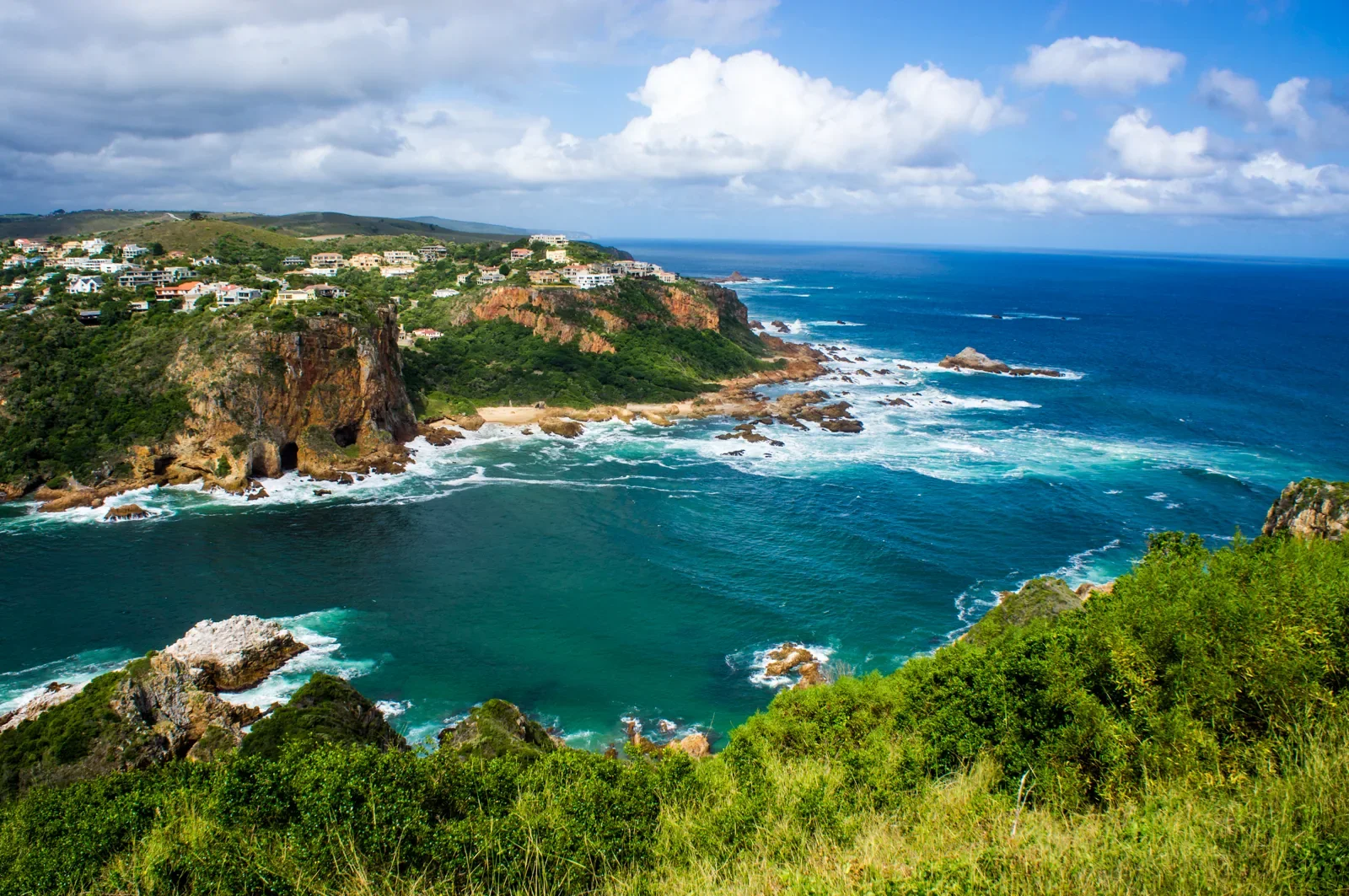
The best time to visit the Garden Route is not a single window — it depends on whether you're chasing whales, warmth, or a deal. The coast runs from Mossel Bay to Storms River, about 210 km of Indian Ocean shoreline backed by the Outeniqua Mountains, and the weather shifts noticeably between June and January. Get the timing right and you'll have the beach largely to yourself, pay a third less for accommodation, and probably spot a southern right whale from the shore. Get it wrong and you're sharing a beach with half of Cape Town while paying January prices for the privilege. For everything else about planning the trip, our Garden Route Travel Guide covers the full picture.
The short answer: the best time to visit the Garden Route
September to November and February to April are the two shoulder windows that suit the widest range of travellers. Spring (September–November) brings warming sea temperatures, wildflowers on the fynbos, and accommodation prices a good 20–30% below December peaks. Autumn (February–April) gives you lingering warmth after summer without the school-holiday crowds, and the sea is still at its warmest.
December and January are ideal if beaches and a festive atmosphere are the priority and you book early — but expect crowds and peak pricing. June to August is whale season on the coast, quieter overall, cooler but rarely cold, and significantly cheaper.
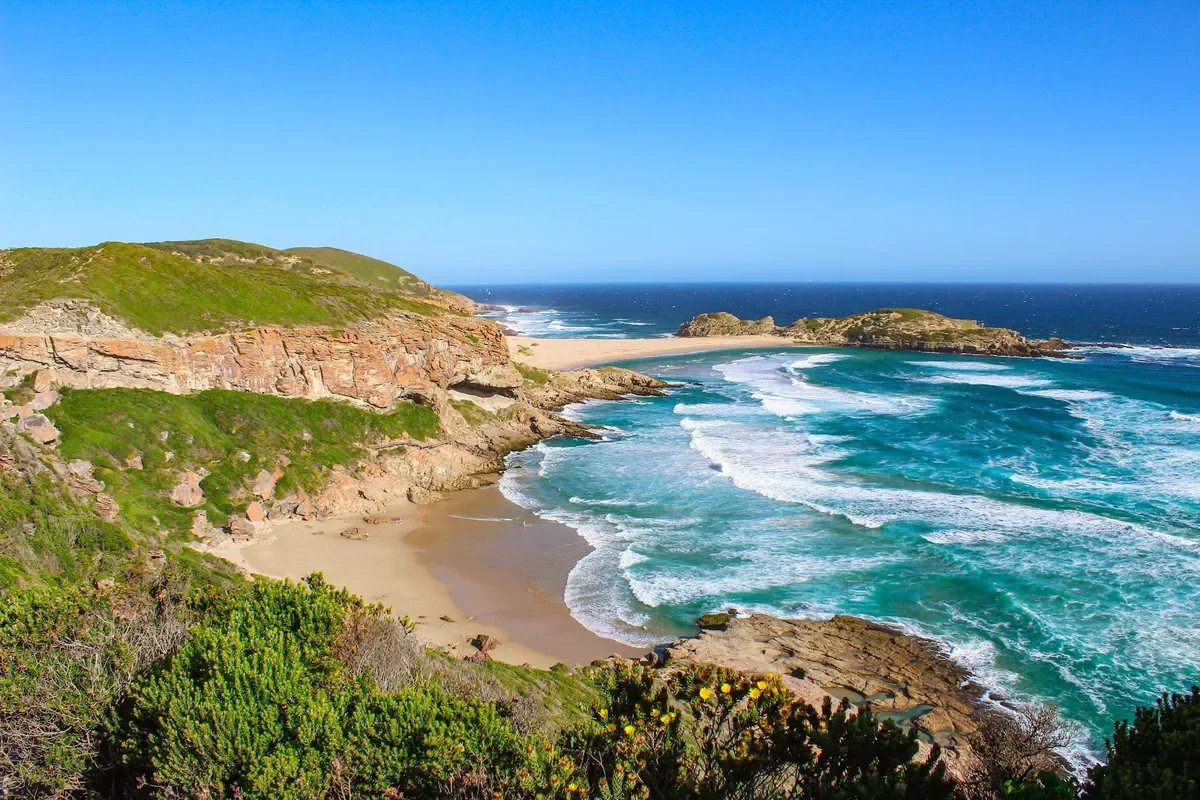
Why Garden Route weather is different from what you'd expect
Most South Africa trips are built around Cape Town weather logic — wet winters, dry summers. The Garden Route doesn't follow that pattern. It sits on the Indian Ocean side of the Cape Fold Mountains, which means it receives rainfall year-round, not just in winter. That's why you'll see green forest year-round rather than the dry summer fynbos you'd get around Cape Town.
Rain on the Garden Route tends to arrive as afternoon thunderstorms or overnight showers rather than all-day downpours, particularly in summer. George, at the western end of the route, is the wettest town on the coast — about 715 mm of rain a year, much of it overnight. Plettenberg Bay and the Tsitsikamma, further east, catch more of their rain from south-east swells in winter. The practical effect: even in the rainy months, mornings are often clear, which means you can plan outdoor activities early and let a rain shower pass over lunch.
One weather event worth knowing: the bergwind, a hot, dry wind that funnels through the mountain passes in late summer (February–March). Temperatures can climb to 38°C for a day or two. It passes quickly but can make beach days uncomfortable when it's blowing. Watch the forecast around those months.
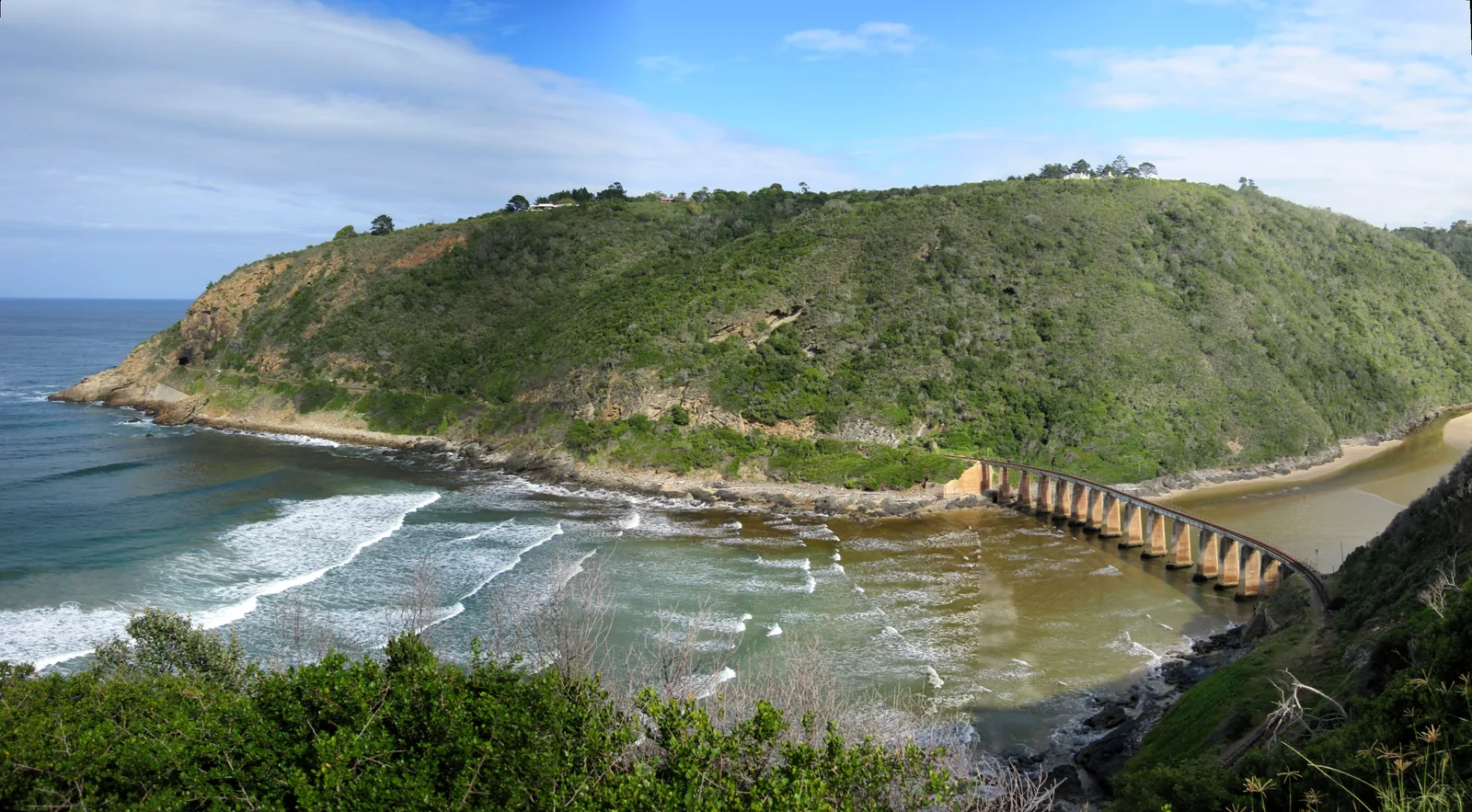
Summer on the Garden Route (December–February)
High season, peak prices, full beaches. December and January are when the Garden Route gets the lion's share of its visitors — South African school holidays run roughly 12 December to 4 January, and the towns pack out. Accommodation prices in Plettenberg Bay can run two to three times the off-peak rate over that period. Book months ahead if you're travelling over Christmas and New Year, particularly in Plett.
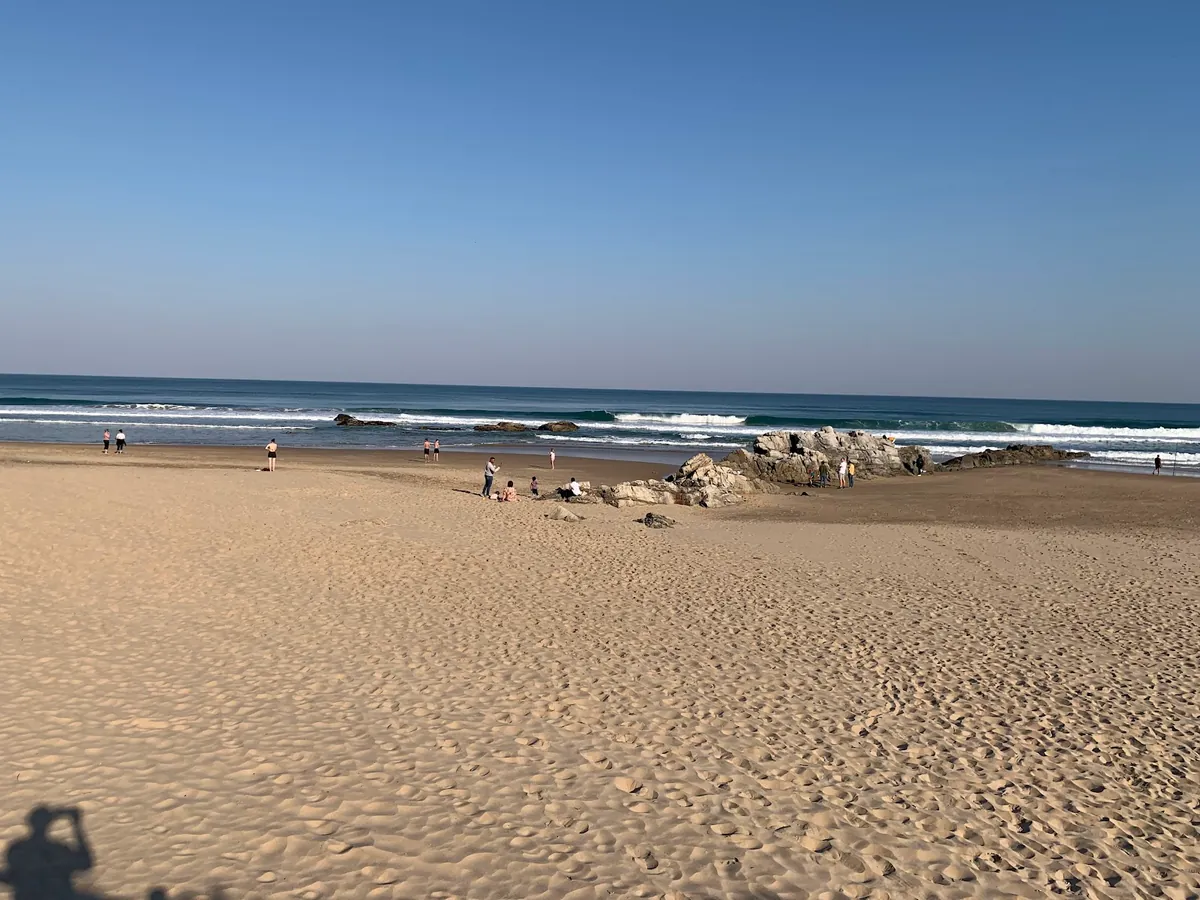
The upside: the weather delivers. Air temperatures sit at 24–30°C most days, sea temperatures at Knysna reach around 21°C, and the light is extraordinary — long, golden evenings that keep you at a table long after the food's done. Central Beach in Plett is at its best in January: calm water, good surf at Lookout, families on the beach from breakfast onwards. If a summer-beach holiday is what you're after, this is the right time — just factor in the cost and the crowds.
Plett Rage (late November to early December) — a week-long post-matric beach festival — brings tens of thousands of young South Africans to Plettenberg Bay. If you're not part of that demographic, it's worth either planning around it or staying in Knysna or Wilderness instead.
February quietens down as schools return. Bergwind risk rises, but prices drop and it still feels fully summery. A good compromise if you're flexible.
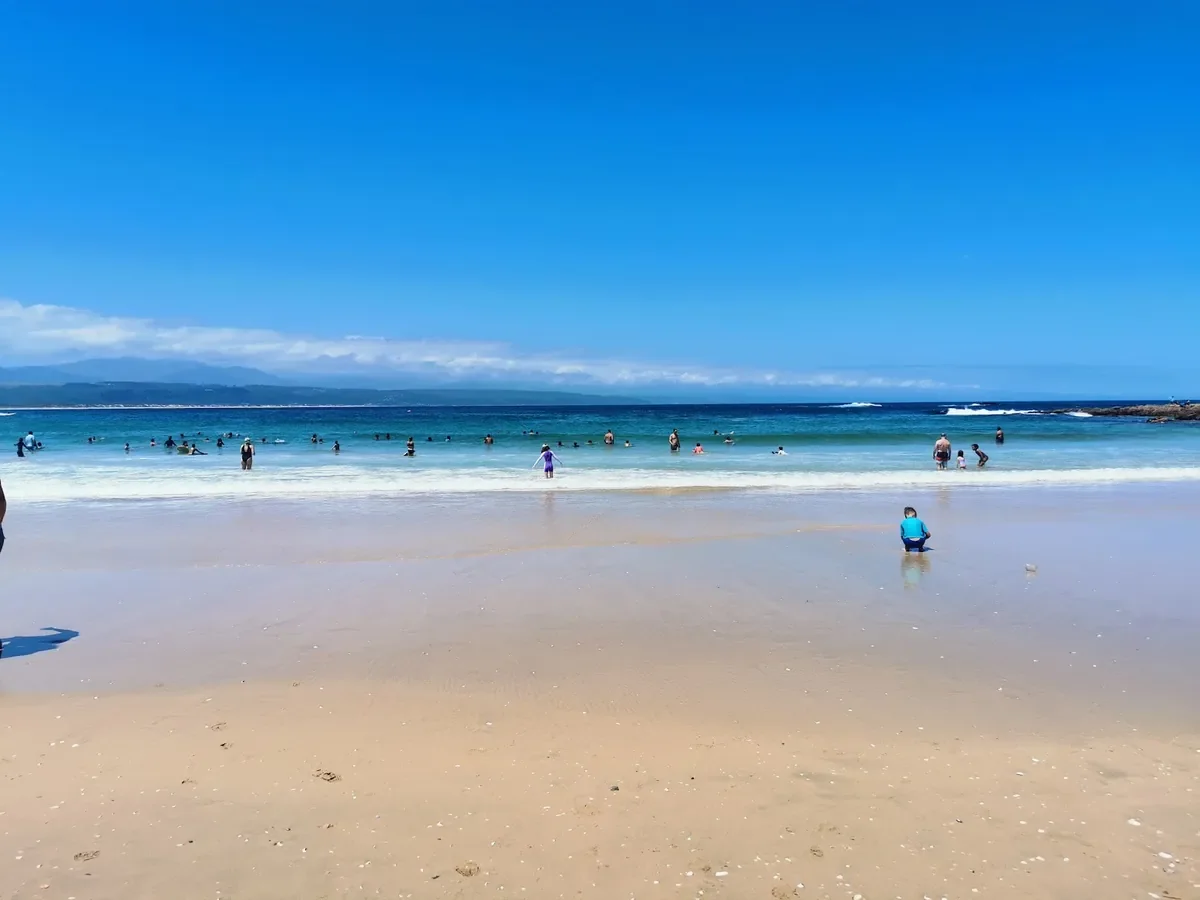
Winter on the Garden Route: whale season (June–August)
June to August is cold by coastal standards — George averages a minimum of around 7–8°C on winter nights, and the sea at Knysna drops to around 16–17°C. You're not swimming much in July. But winter brings something December can't: whales.
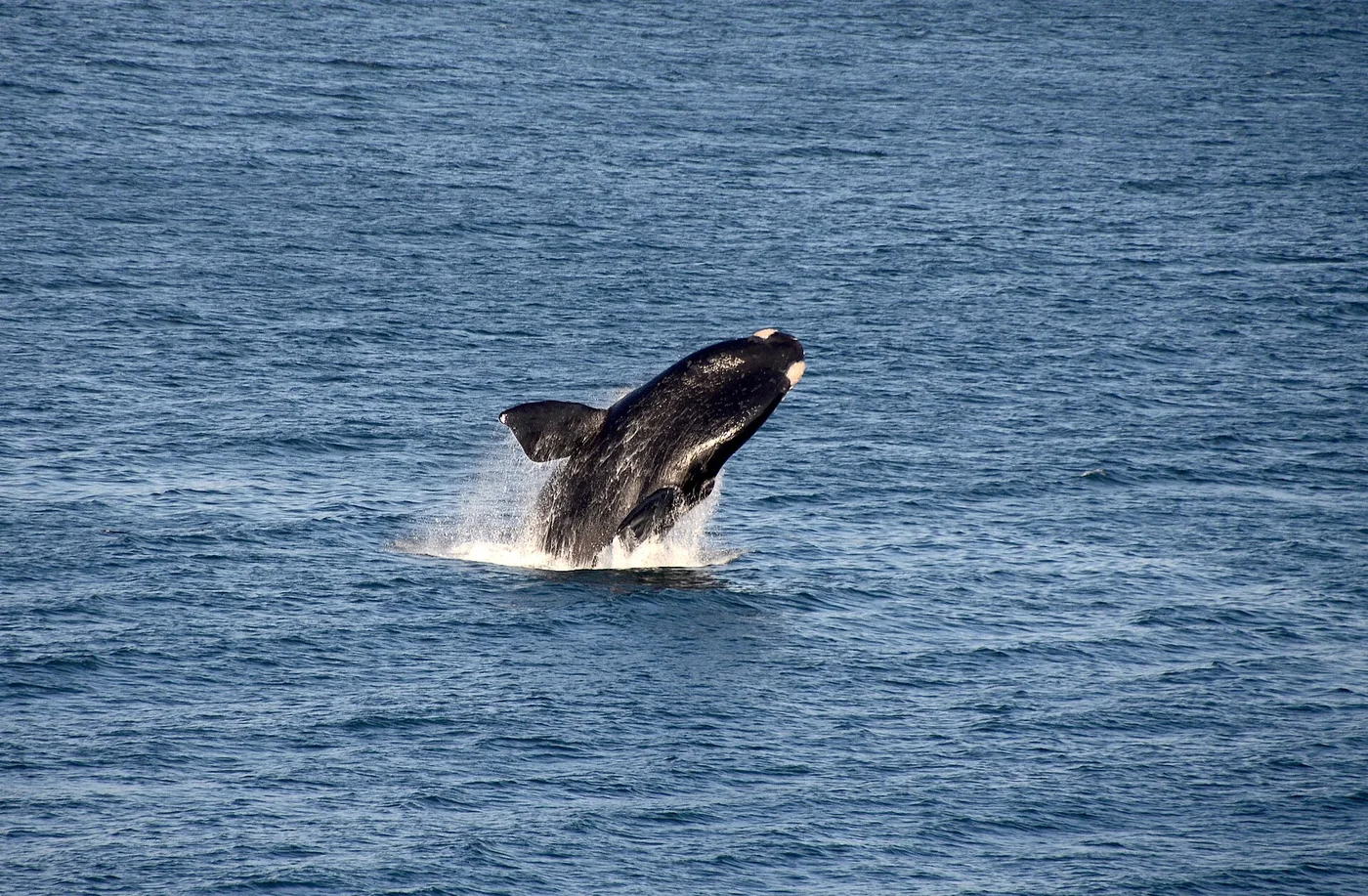
Southern right whales arrive on the South African south coast from June and stay through November, with August to October the peak viewing months. They come in close to shore to calve and nurse — no boat trip required. Standing on the rocks above Robberg Peninsula or watching from the cliff path at the Knysna Heads, you can watch mothers and calves moving through the kelp. Humpback whales pass through in May–June on their northbound migration toward breeding grounds, and again in November–January heading south to Antarctica. Bryde's whales are present year-round in the deeper offshore waters if you take a boat trip.
The Knysna Oyster Festival runs for ten days in early July (2026 dates: 3–12 July) and draws food and outdoor enthusiasts rather than beach crowds. The town gets busy around festival weekend but it's a different, more manageable kind of busy than December.
Accommodation prices in winter are the lowest of the year — often 30–40% below peak. Many self-catering properties in Plett and Knysna sit quiet in June and July. For our guide to the whale watching specifically, see Whale Watching in Plettenberg Bay.
Shoulder seasons: the best time to visit for most people
Spring (September–November) and Autumn (February–May) hit the sweet spot between price, weather and crowds. Most experienced Garden Route travellers settle on one of these two windows.
Spring: September to November
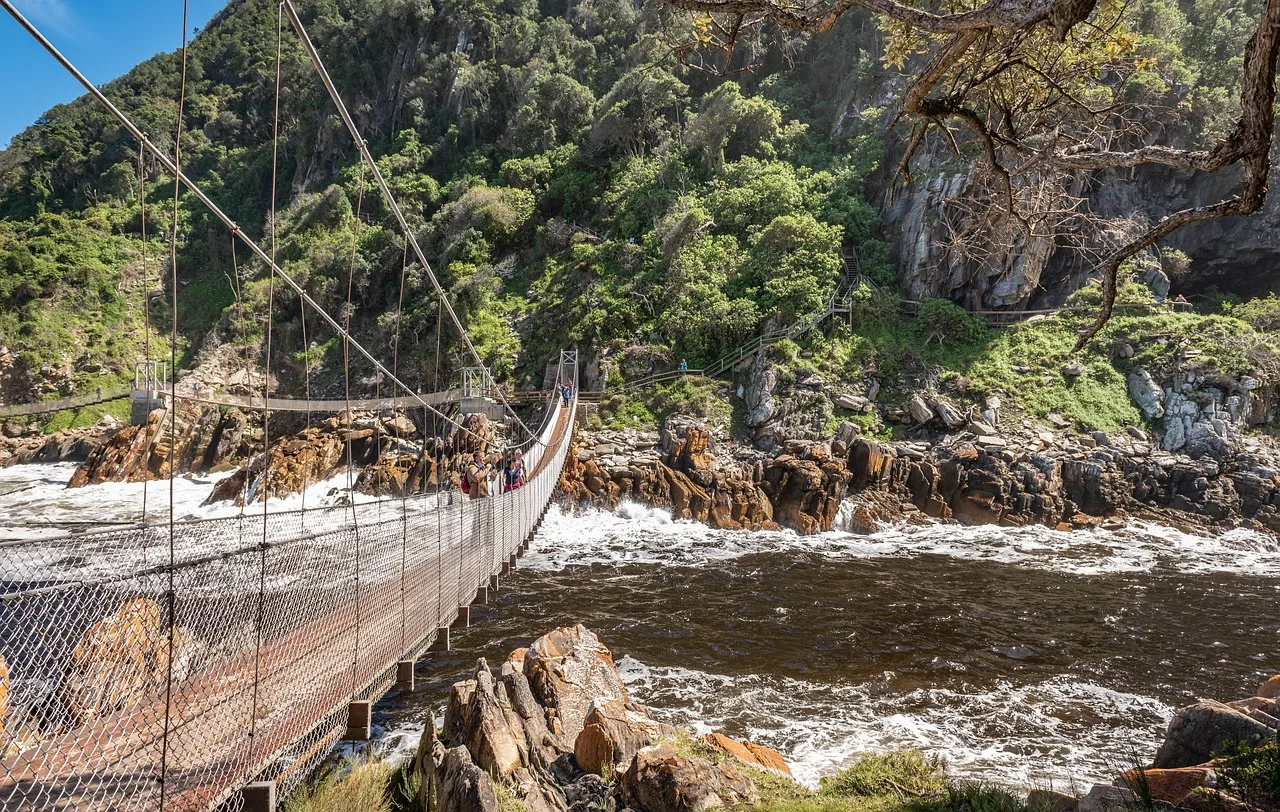
The sea is warming — from 17°C in September toward 19°C by November. Wildflowers start appearing on the fynbos from August onwards; by October, the coastal vegetation around Robberg and Natures Valley is at its most vivid. Accommodation prices are 20–30% below peak December rates. The beaches are quiet on weekdays and moderately busy on weekends. The Otter Trail — the 45 km, five-day coastal hike through the Tsitsikamma — is at its best in September to November: warm days, drier conditions, wildlife active. Permits are released 12 months in advance and go quickly; book for spring before the year turns.
October is probably the single best month for a first visit: everything is open, the coast is green, the sea is swimable if you're not fussy, prices are manageable, and you won't queue for anything.
Autumn: February to May
The post-January hangover is real — accommodation prices fall steeply from mid-January as schools return. February and March still feel like full summer: warm, often 26–28°C, sea temperatures their highest at 21°C. The bergwind risk (see above) is the main caveat.
April brings school holidays again for a week or two — check the South African school term calendar for exact dates, as they shift year to year. Outside that window, April and May are excellent: long evenings, manageable temperatures, very quiet beaches, and an autumn light over the Knysna Lagoon that's genuinely different from any other time of year.
Garden Route month by month
| Month | Avg temp | Sea temp | Crowd level | What's on |
|---|---|---|---|---|
| January | 24–30°C | 21°C | ★★★★★ | Schools out, peak season |
| February | 22–29°C | 21°C | ★★★★ | Schools back mid-Feb, Plett quietens |
| March | 21–27°C | 20°C | ★★★ | Bergwind risk, comfortable beaches |
| April | 18–24°C | 19°C | ★★★ | School hols week spike, then quiet |
| May | 15–21°C | 18°C | ★★ | Autumn. Humpbacks northbound |
| June | 13–19°C | 17°C | ★★ | Whale season opens. Oyster Festival |
| July | 11–18°C | 16°C | ★★ | Oyster Festival. Cheapest month |
| August | 12–19°C | 17°C | ★★ | Peak whale viewing. Wildflowers begin |
| September | 15–22°C | 17°C | ★★★ | Spring. Otter Trail ideal. Prices still low |
| October | 17–24°C | 18°C | ★★★ | Best all-round month. Wildflowers peak |
| November | 19–26°C | 19°C | ★★★ | Humpbacks southbound. Pre-peak feel |
| December | 22–29°C | 20°C | ★★★★★ | Schools out 12 Dec. Full peak season |
Best time to visit the Garden Route by activity
The right month shifts depending on what you're actually coming for.
Whale watching: June to November, with August to October the clear peak for southern right whales. Shore-based viewing from Robberg, the Knysna Heads cliffs, or the viewpoints above Plettenberg Bay. Boat trips available from Plett and Hermanus (day trip from the Route).
Otter Trail and Tsitsikamma hiking: September to November or March to May. Avoid January and February — heat on the trail, full huts. The Otter Trail permits release 12 months in advance; plan spring bookings by October the previous year.
Swimming and beach days: December to March for the warmest sea (20–21°C). September to November if you're not fussy about water temperature and want less competition for beach space.
Mountain biking and fynbos hiking: September to November (post-winter growth, lower temperatures, dry underfoot). Trails around Knysna, the Outeniqua Mountains and Natures Valley are all in better shape after winter rain than mid-summer.
Birding: spring (September–October) when migrant species return. The forests around Knysna support resident Knysna Turacos year-round, but spring adds movement.
Budget travel: May to August, outside the June–July school holidays. The lowest accommodation rates of the year. Pair with whale watching for value-for-money timing.
When to find the best prices on the Garden Route
Peak pricing runs from roughly 12 December to 4 January — South African school holidays. Expect to pay the highest rates of the year over that window. The December–January peak in Plett and Knysna is sharp: a self-catering house that rents at R6,000 a week in May can run R18,000 or more over Christmas. Book as early as possible if you want this window; last-minute December deals essentially don't exist in Plett.
Secondary price spikes occur over Easter (March–April) and the June–July school holidays. These are shorter and softer than December but still worth accounting for.
Cheapest months: May and June, outside the school holiday week, are consistently the lowest-priced period. July picks up slightly for the Oyster Festival but remains far below peak. August through September starts climbing as whale season generates demand.
The practical play for value is to travel in October or early November: post-school-holiday quiet, pre-December rush, sea temperature rising, wildflowers still around. You'll pay shoulder-season rates for a coast that's genuinely at its best. If you can only travel in summer, February is the most affordable summer month once the January crowds leave.
For a full itinerary built around any of these windows, see our 7-day Garden Route itinerary. For the practical N2 driving logistics — distances, car hire, tolls — the Garden Route driving guide has what you need.
Frequently asked questions
Which month is best for Garden Route South Africa?
October and November are the sweet spot — spring wildflowers, sea temperatures warming to around 18°C, pre-peak accommodation prices, and shoulder-season quieter beaches. March and April run a close second as the post-summer heat eases and crowds thin. If whale watching is the priority, August and September are peak season for southern right whales.
What time of year can you see whales in Cape Town?
Southern right and humpback whales appear along the South African south coast — including the Garden Route — between June and December. Peak viewing on the Garden Route is August to October, when southern rights are in the bay with calves. Humpbacks move through May–June (northbound, toward breeding grounds) and again November–January (southbound, back to Antarctica). Bryde's whales are resident year-round.
How long do you need on the Garden Route?
Five to seven days is enough for the core route — Mossel Bay, Wilderness, Knysna, Plettenberg Bay and the Tsitsikamma. Seven to ten days lets you add a day hike in the Tsitsikamma, a boat trip on the Knysna Lagoon, and a lazy afternoon at Robberg without rushing. Anything under four days means you're mostly driving, not exploring.
What is the nicest town on the Garden Route?
Plettenberg Bay and Knysna between them claim most votes. Plett has the best beaches — Central Beach, Lookout and Robberg — plus warm summer water. Knysna has the lagoon, the Heads and the Quays waterfront. Wilderness has the river-and-forest feel at lower prices. For a first visit, base yourself in Plett or Knysna for two nights each.
Is it worth doing the Garden Route?
Yes. It packs beaches, indigenous forest, a working lagoon, whale watching, mountain passes and the Tsitsikamma's wild coastline into a stretch of coast you can drive in an afternoon. The short distances between towns mean you swap between very different landscapes without long transfers. Most people rate it among the best road trips they've done.