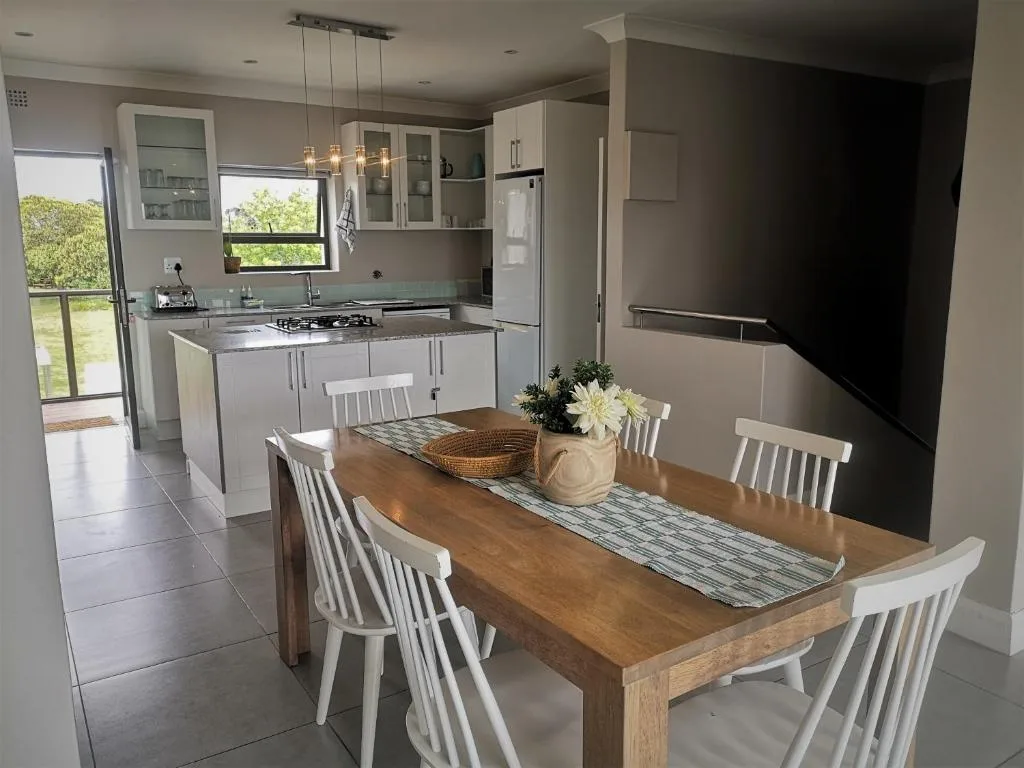

How to choose self-catering in Plettenberg Bay usually comes down to six things — not the price tag up front. Power backup, water setup, real walk-to-beach distance, the total cost with cleaning and deposit folded in, noise at night, and whether the photos match the actual room. The gap between a good Plett stay and a regret-it-by-Tuesday one sits inside those six boxes. This guide is the decision framework we'd hand a friend who's already committed to Plett and now needs to pick the actual listing. It's not a directory — it's the checklist we run before we hit book.
Ready to just browse the options?
If you already know what you're after and want to scan the full inventory, skip this guide and go straight to the listings.
See every self-catering stay in Plett →
What separates a good Plett self-catering stay from a bad one
The baseline matters first. Self-catering in South Africa covers everything from a studio apartment to a four-bedroom holiday home sleeping 10 — and a "self-catering" label alone guarantees almost nothing. The common thread across listings worth booking is a fully equipped kitchen, a private entrance, and no daily housekeeping. Most solid places include:
- Linen and bath towels (beach towels usually bring-your-own)
- A proper kitchen — oven, hob, fridge/freezer, microwave, kettle, toaster, crockery and cutlery for the max sleeps
- WiFi (quality varies wildly — always check reviews if you're working remotely)
- Secure off-street parking
- A braai (barbecue), often under cover
What's typically not included: daily cleaning, toiletries beyond a starter kit, and food — no welcome pack of milk and coffee unless it's explicitly mentioned. A one-off departure cleaning fee of R250–R600 is standard.
One local tip: for a winter stay, prioritise listings with a gas hob and solar or inverter backup. Plett's load-shedding windows tend to land at peak cooking time, and a gas hob plus a battery for the router saves a lot of cold pasta and frozen Zoom calls.
Which Plett neighbourhood suits your kind of trip
Plett is small on a map but the neighbourhoods feel very different, and picking the wrong one is the single most common reason a stay disappoints. Here's how we match neighbourhoods to trips when friends ask.
Central Beach / Main Beach
The tourist heart of Plett — walking distance to the main swimming beach, restaurants on Main Street, Pick n Pay and the craft market. Best for: first-time visitors, car-free stays, short 2–3 night trips. You'll pay a premium per square metre but save on fuel. Most central Plett apartments sit here.
Robberg Beach / Beachy Head
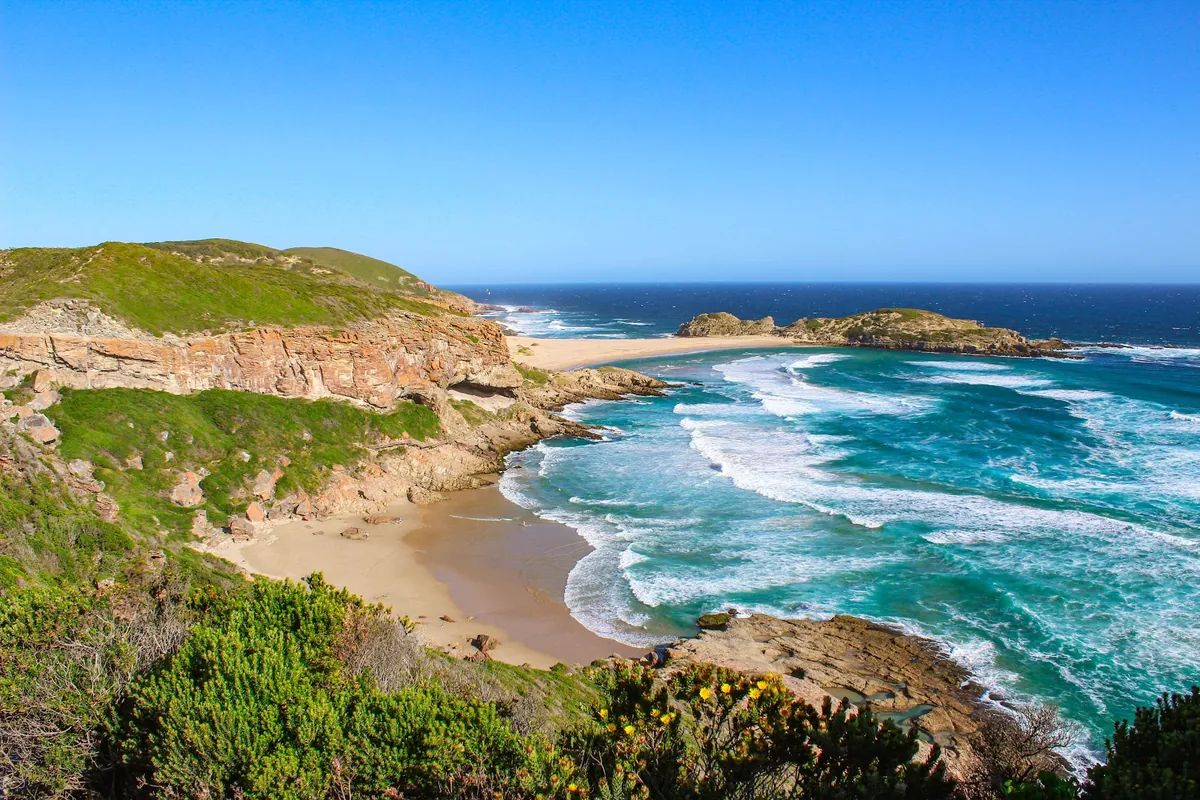
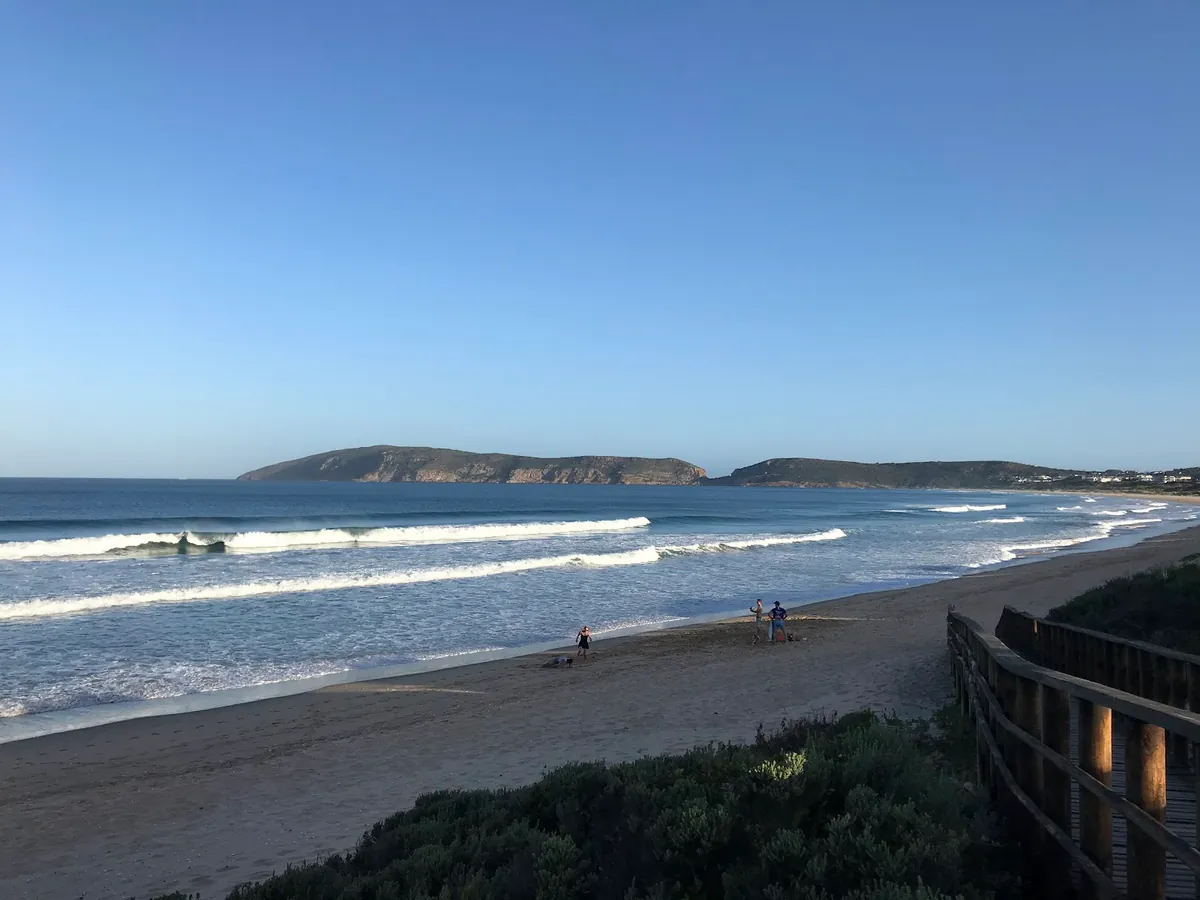
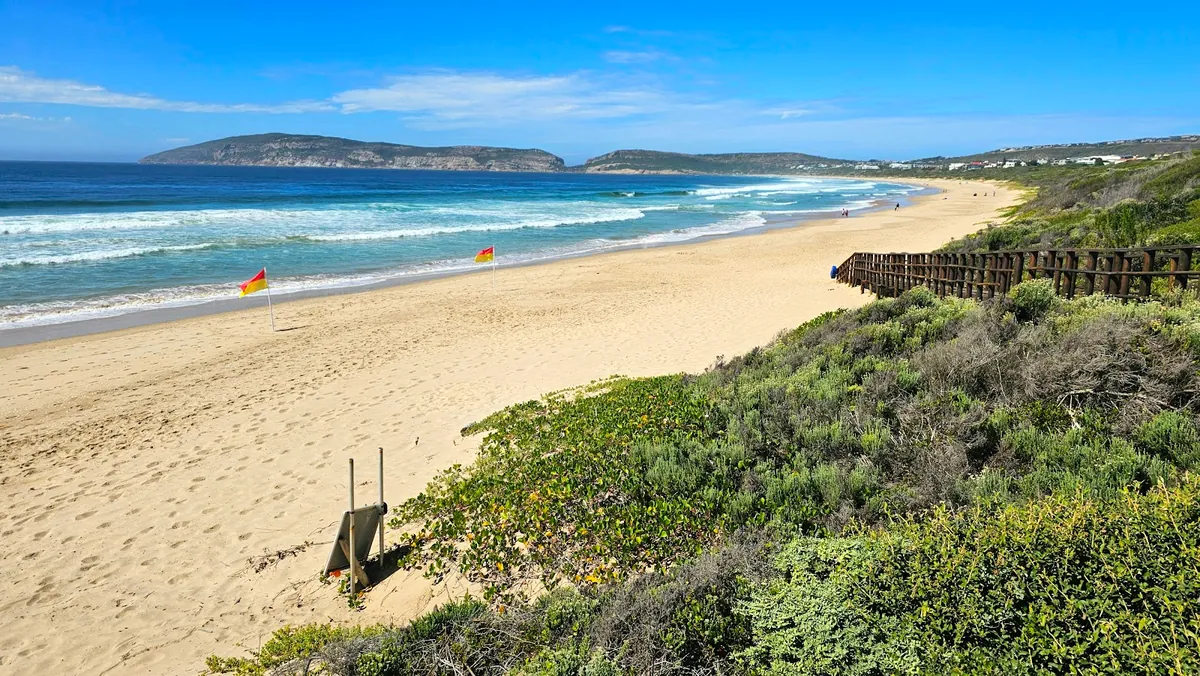
Elevated homes looking over Robberg Nature Reserve and the long sweep of Robberg Beach. Quieter, more upmarket, a short drive or proper walk into town. Best for: couples, small families, view-first stays. The Robberg trailhead is 5 minutes away.
The Hill / Plett Central
The residential grid above town — 5 minutes down to the beach, 3 to the shops. More house for your money up here, often with a bay-view balcony. Best for: longer stays and groups prioritising space over walkability. A car is non-negotiable.
Keurbooms
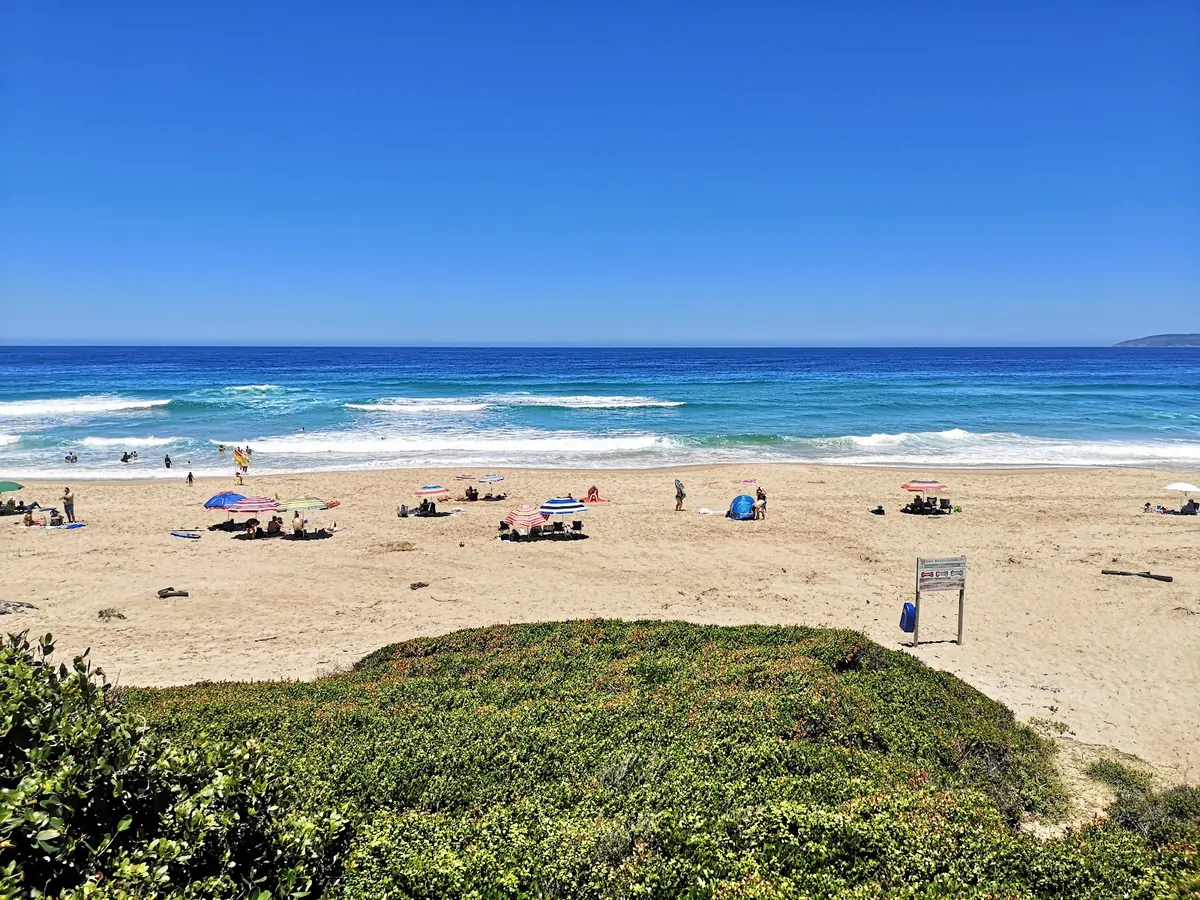
About 10–15 minutes east of Plett, across the Keurbooms River. Long empty beach, lagoon for kids, much quieter vibe. Best for: families with small children (calmer lagoon water on windy days) and anyone who finds central Plett too busy. See family holiday homes — Keurbooms has some of the best larger stays.
Nature's Valley
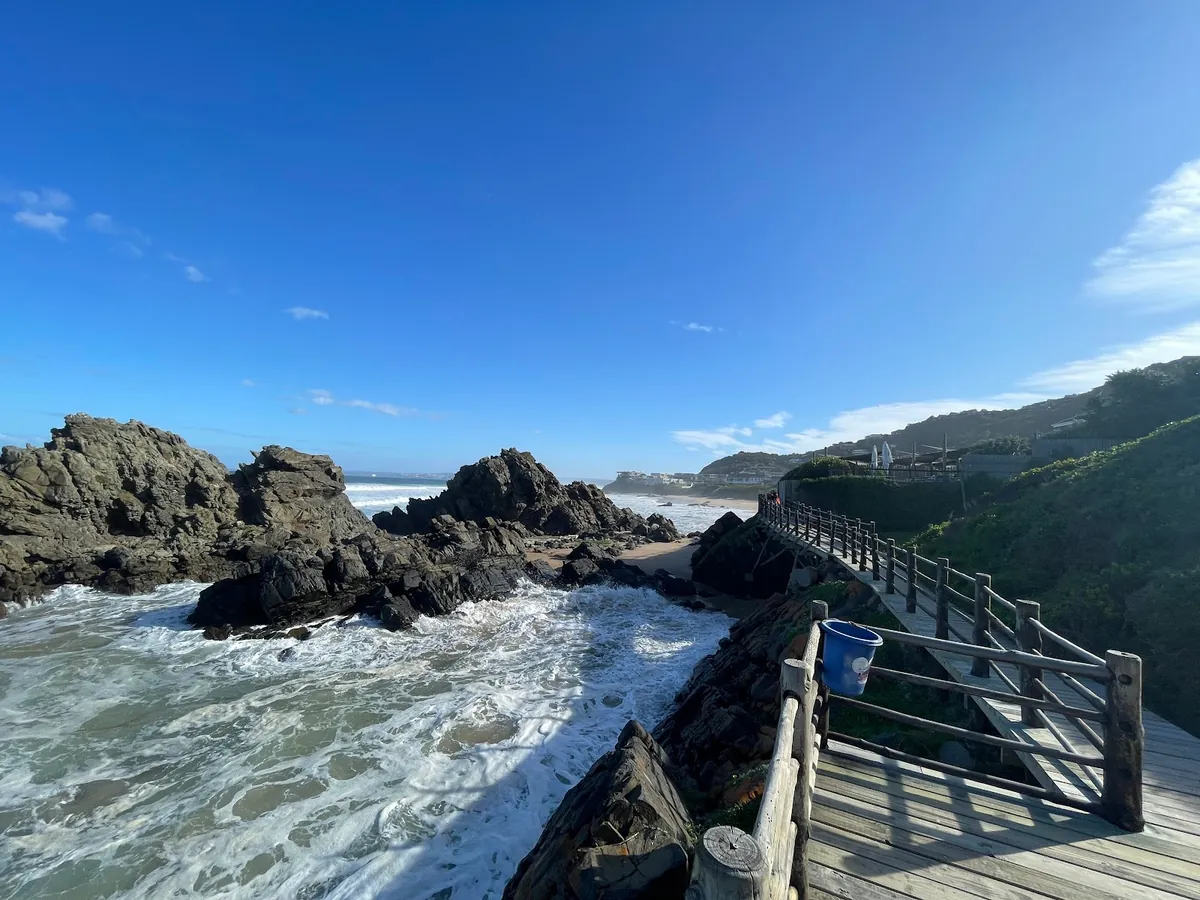
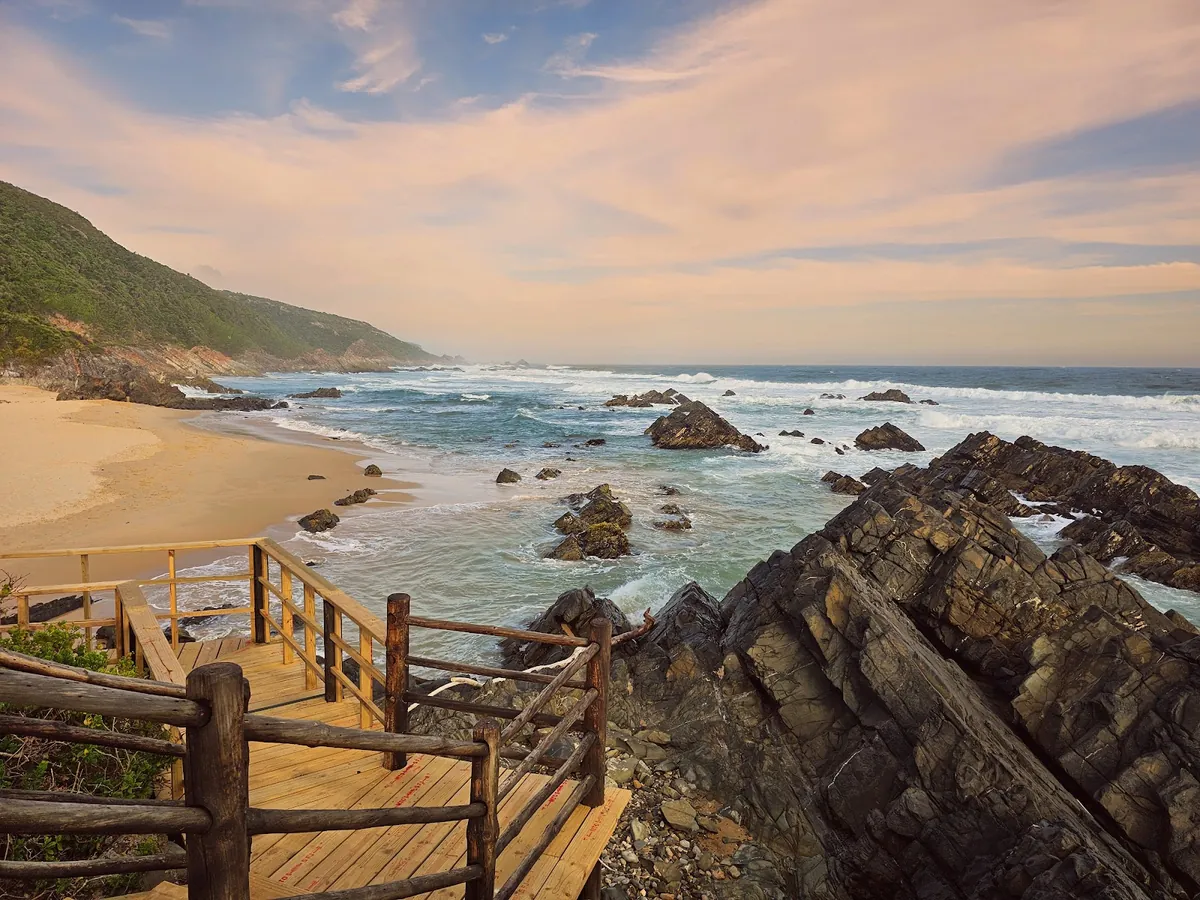
A 40–45 minute drive east into the Tsitsikamma forest. Technically not Plett but often bundled in. Tiny village, forest walks from your door, and a stunning beach that's not always safe to swim. Best for: a 2–3 night side-trip within a longer Plett stay.
Lookout Beach / Lookout Rocks
The long eastern beach strip between central Plett and Keurbooms. Huge sands, estuary walks, and a handful of apartment blocks and villas with direct dune access. Best for: beach walkers and runners. Check beachfront villas along this stretch for the best sunrises.
Piesang Valley
A residential valley inland of the N2, roughly 10 minutes from the beach. Not glamorous but one of the best-value pockets in Plett — real houses at prices that don't punish a whole family. Best for: groups on a budget, longer stays, remote workers who need fibre and a quiet desk.
Brackenridge Estate
A 128-hectare secure fynbos estate above Plett, indigenous planting, eco-credentials, very little traffic. Stays are typically larger houses on big erven. Best for: multi-generation family holidays and 2-week lock-and-go stays.
Whale Rock Ridge
A small, elevated lifestyle estate with bay views — secure, family-oriented, quiet streets, newer houses, short drive to Central Beach. Best for: families with kids who want to ride bikes outside the front door.
Goose Valley
On and around Goose Valley Golf Estate, east of the Keurbooms River. Communal pool, 18-hole golf, secure gate, apartments and stand-alone houses. Best for: golfers and families who like a resort feel without a hotel.
If space allows, also worth knowing: Schoongezicht (a "green" estate with indigenous planting), the Wedge (walkable to the quieter Wedge Beach swimming cove), and Harkerville (forested outskirts, 15 minutes west — budget-friendly, car essential). Browse all Plettenberg Bay self-catering to see what's available across the whole town.
Featured Plett self-catering stays
Six stays we'd confidently book for friends — one per neighbourhood, all rated 9.0+ on Booking.com. Tap through to the property page for photos, amenities and live rates.
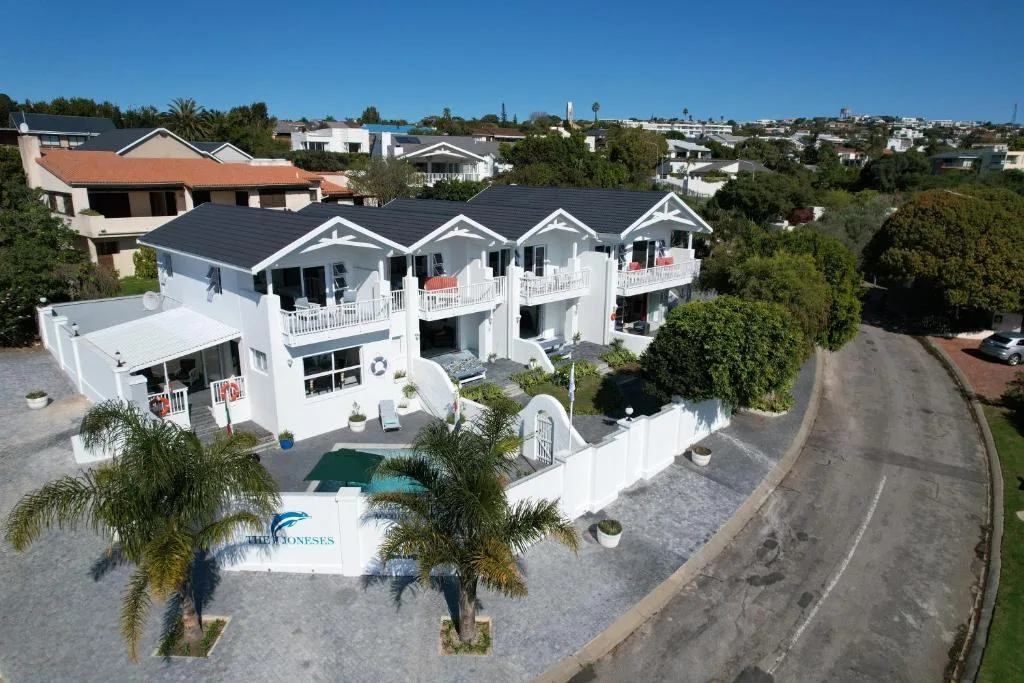
The Joneses
Ground-floor Toplis Street apartment, ten minutes' walk to Lookout Beach and Plett's cafés.
View this stay →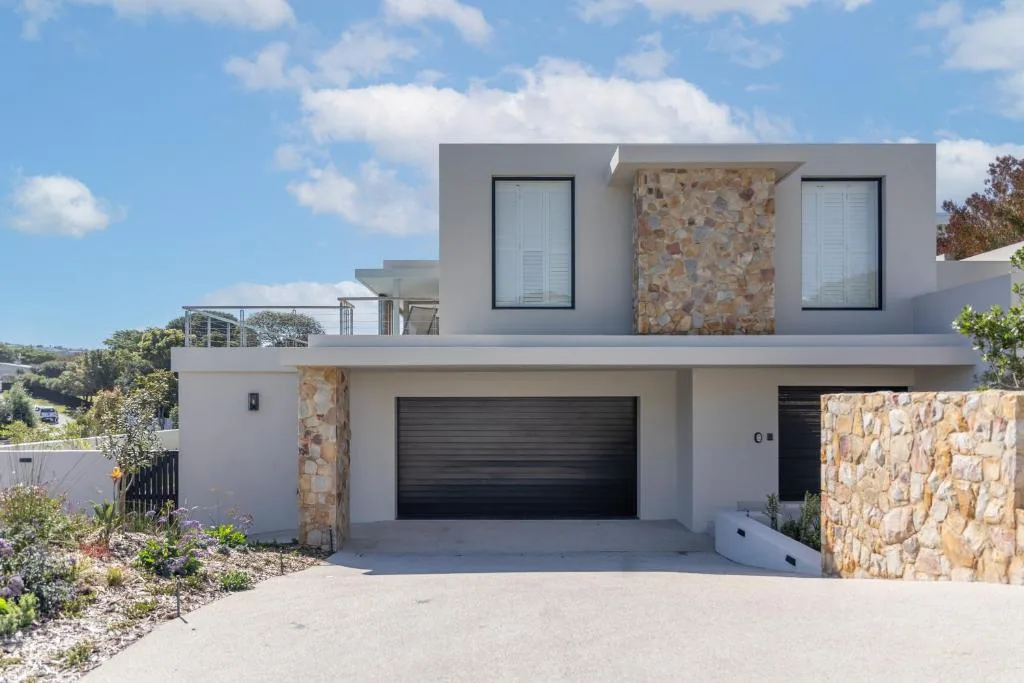
Sunset Villa
Five-bedroom villa 150 metres from Robberg Beach — built around terrace sunsets and bigger groups.
View this stay →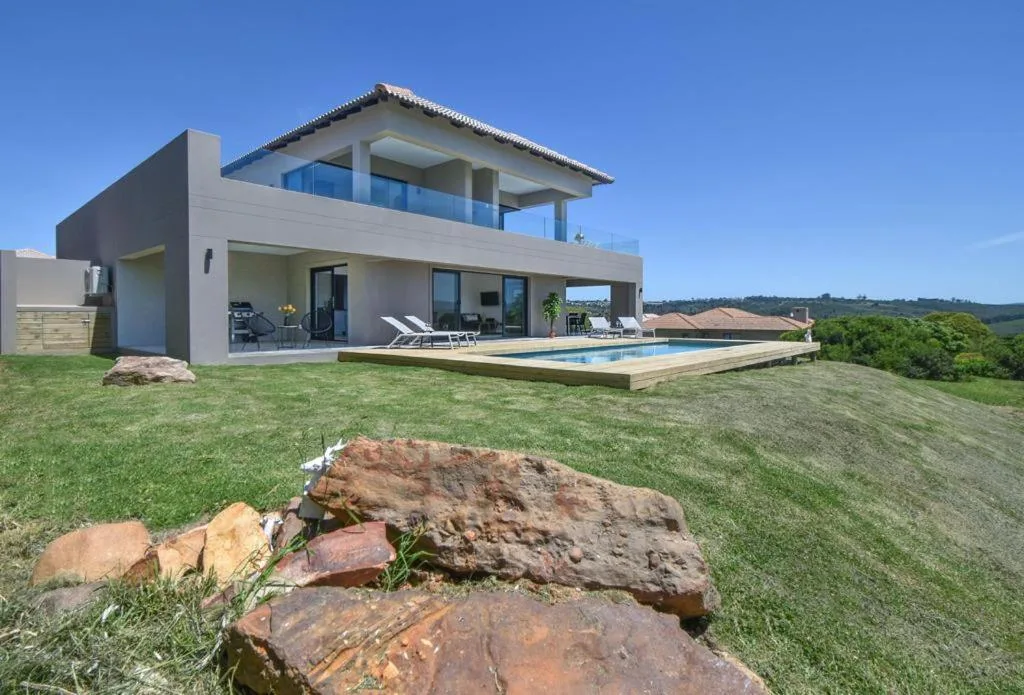
Hill House
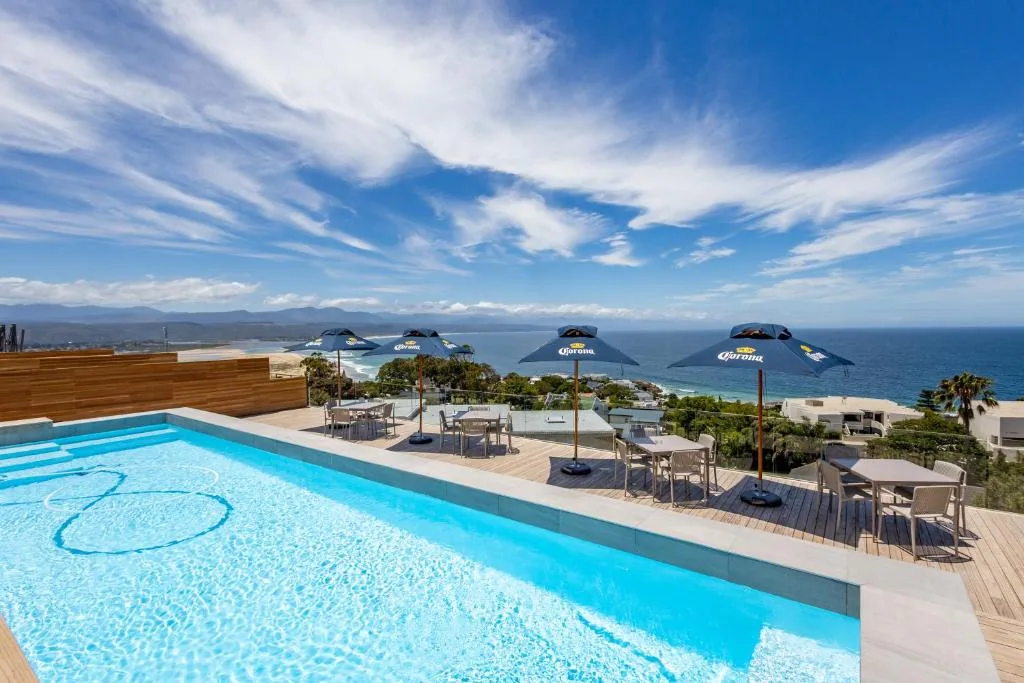
Five-bedroom home on The Hill private estate — elevated town-and-coast views, strong value per bedroom.
View this stay →
Goosevalley Golf Estate Apartment
Three-bedroom family base on Goose Valley Golf Estate, roughly a kilometre from Keurbooms Beach.
View this stay →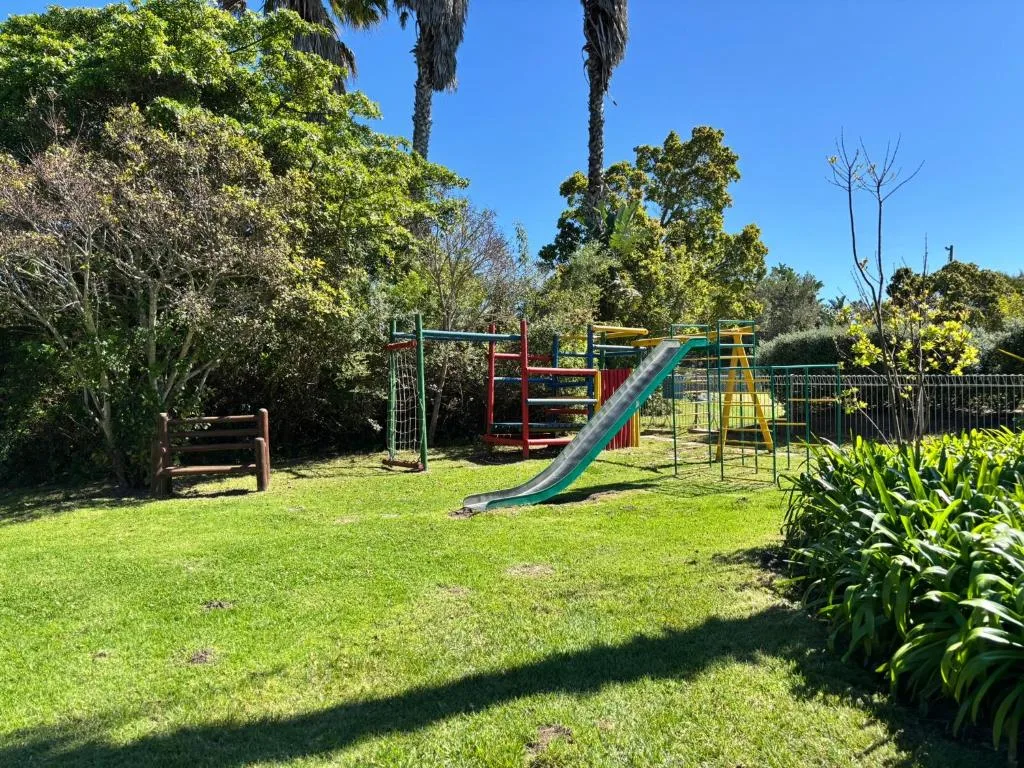
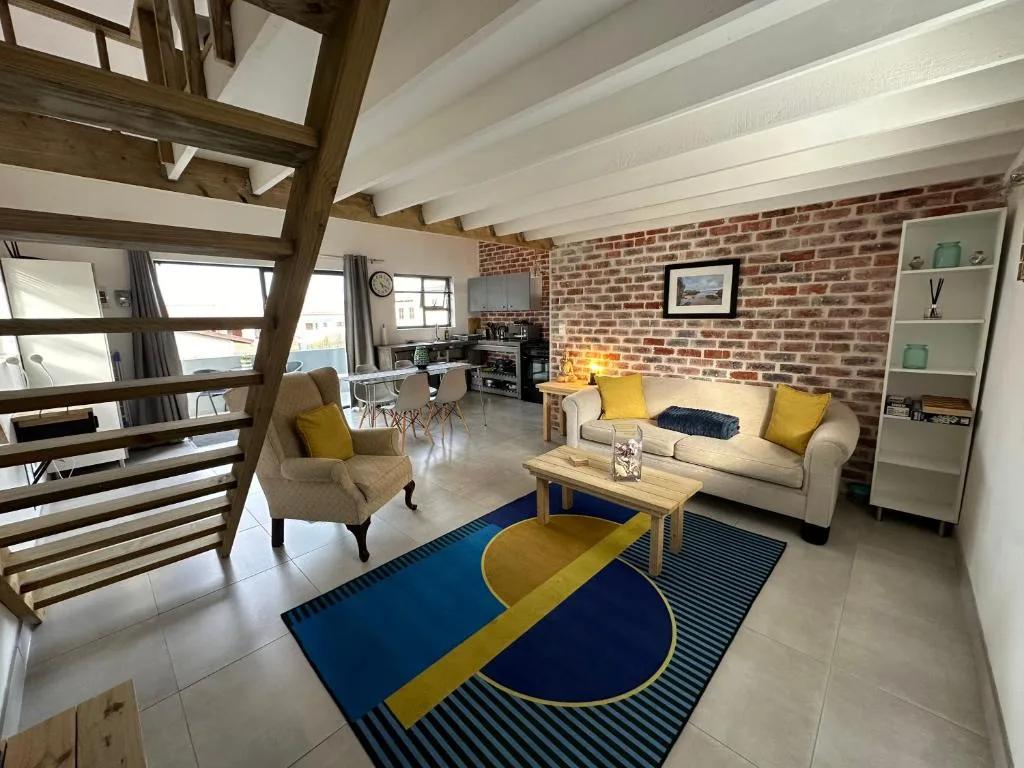
The Nest at Castleton
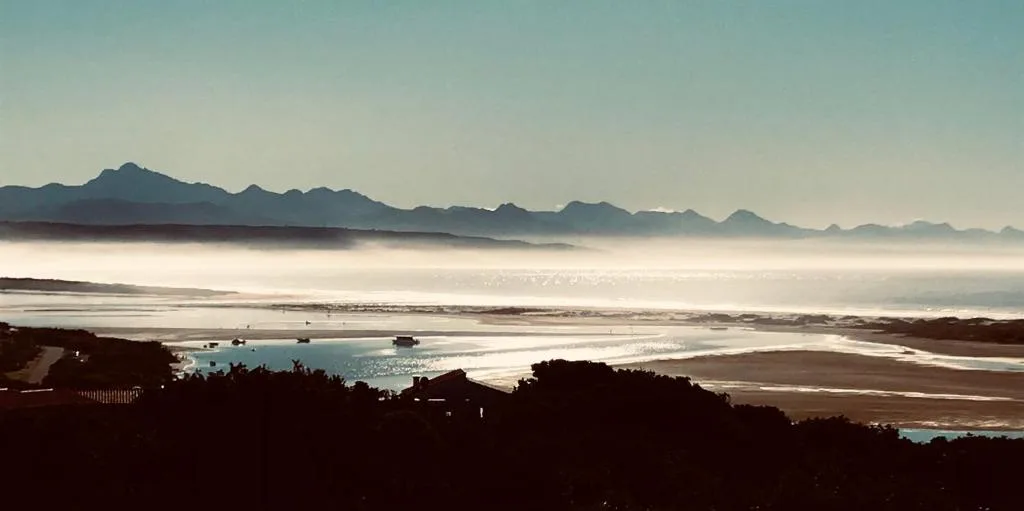
Two-bedroom Piesang Valley apartment with sea and mountain views — quiet, well-priced remote-work base.
View this stay →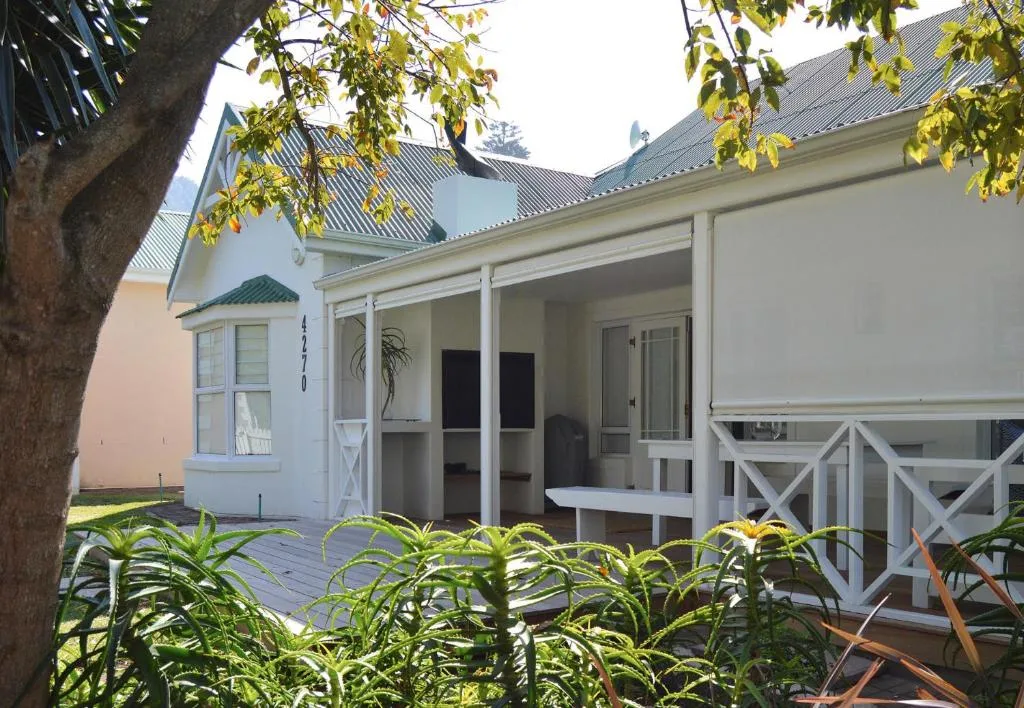
Robin 4270
Four-bedroom home in a gated River Club complex with shared pool and tennis — lock-and-go for longer stays.
View this stay →What you'll pay for Plettenberg Bay self-catering: 2026 rates
Rates swing dramatically by season in Plett — the same 2-bed apartment can cost R1,600 in May and R4,200 over Christmas. Here's a realistic range for self-catering in 2026:
| Property type | Shoulder (Feb–Nov) | Peak (Dec–Jan, Easter) |
|---|---|---|
| Studio apartment | R750–R1,200 | R1,400–R2,200 |
| 1-bed apartment | R950–R1,500 | R1,600–R2,800 |
| 2-bed apartment | R1,400–R2,500 | R2,500–R4,500 |
| 3-bed house | R2,200–R4,500 | R4,500–R8,500 |
| Beachfront villa (4+ bed) | R4,500–R7,500 | R8,000–R18,000 |
Prices are indicative per night for the whole unit, not per person. Peak covers December 15 – January 10 and the Easter weekend.
Add on top: a R250–R600 cleaning fee, and a refundable damage deposit of R1,500–R15,000 depending on the property. Minimum stays in peak are usually 5–7 nights for houses and 3–5 for apartments, and the top-tier beachfront villas often demand 10–14 nights over Dec 15 – Jan 10.
Extra costs to budget for
The headline nightly rate is rarely the whole story. Here's what we add up when we're budgeting a Plett stay for friends:
- Cleaning fee. R250–R600 for an apartment, R800–R1,500 for a 4+ bedroom villa. It's almost always a one-off, not per night, so it hurts less on a longer stay.
- Refundable damage deposit. R1,500–R5,000 is standard on apartments and smaller houses; villas commonly ask R5,000–R15,000. It's usually held as a Stitch or Payfast pre-authorisation on your card, or sometimes by EFT that gets refunded 3–7 days after checkout. Always confirm the mechanism before you pay.
- Pet surcharge. If the listing is pet-friendly, expect R150–R400 per night per pet, or a flat R500–R1,000 fee for the stay.
- Breakage insurance waiver. Some booking platforms (and a handful of direct hosts) offer a one-off R100–R250 waiver that replaces the deposit. Worth it on a short stay with kids.
- Tourism levy. Rare in Plett self-catering, but a few managed properties add a small levy — check the booking total before you pay.
When to book Plettenberg Bay self-catering
Plett books up earlier than almost any other Garden Route town. Rough guide:
- December 15 – January 10 (peak summer): book 6+ months ahead. Repeat guests on beachfront villas often re-book a full year out.
- Easter (late March/April): 3 months ahead for the best properties.
- July (whale season + SA school holidays): 6–8 weeks ahead.
- Shoulder (Feb–Nov outside holidays): 4–6 weeks is usually fine.
On cancellation: most SA self-catering properties take a 30–50% deposit on booking, with the balance due 30 days before arrival. Peak-season bookings are often non-refundable inside 60 days of arrival, so travel insurance is worth a second look if you're booking a December stay.
Last-minute availability does exist — but in peak you'll be paying top rate for whatever's left, not the listings you actually wanted.
Self-catering vs guest house vs hotel
- Self-catering: best for stays over 3 nights, families, groups, and anyone who likes to cook. Cheapest per-person for 4+ travellers.
- Guest houses / B&Bs: breakfast included, shared lounge, more personal service. Good for 1–2 night stops and solo travellers.
- Hotels: limited in Plett — Beacon Island Resort and The Plettenberg are the main options, and they're pricey. Great for a splurge, less so for a week.
For anything over a week, self-catering almost always wins on value — before you even factor in the cost of eating out for every meal.
What to check when booking
Seven things we always look at before we hit book:
- Real photos, not stock. Listings with only stylised or heavily-filtered shots often hide something — aged décor, a cramped kitchen, or an awkward layout.
- Noise. Scan reviews for mentions of traffic on Marine Way, wind exposure on Robberg, or the 3am seagulls at Central Beach.
- View vs walk. Hillside homes have the view; beachfront stays save you the daily drive. You can't usually have both.
- Cleaning fee. A R500 cleaning fee on a R1,000/night, 3-night stay is effectively 17% extra. Price the total, not the nightly.
- Solar / inverter / gas hob. An inverter keeps lights and WiFi on; a full solar setup runs the fridge and kettle too; a gas hob means you can always cook. Ask specifically — "backup power" means different things in different listings.
- Fibre provider and upload speed. Vumatel, Openserve and Frogfoot are the main fibre networks in Plett. If you're on video calls, confirm upload speed, not just download — 20Mbps up is a comfortable minimum.
- Water setup. Under Level 4 restrictions, a property with a JoJo tank or borehole is worth a real premium. Ask if it's municipal-only, and whether laundry and showers are on the backup.
Working remotely from Plettenberg Bay
Plett has quietly become one of the best "workation" towns on the Garden Route. We see 2–4 week self-catering stays booked November through March — usually a couple or small family, one or two remote workers, and swim-and-walk breaks between meetings.
For fibre, Central, Beachy Head, Robberg and parts of Piesang Valley are your strongest bets — newer listings run 50–200 Mbps, and the best-equipped ones have a UPS or inverter keeping the router up through load-shedding. Central also gives you walkable coffee shops for a change of scene.
Why Plett over Knysna or Wilderness? Plett has the best beach access for the midday break — you're never more than 10 minutes from a swim. Knysna self-catering wins on lagoon and forest (and is cheaper). Pick Plett if the beach is the reward at the end of the workday. For a deeper side-by-side, see our Plettenberg Bay vs Knysna comparison.
Load-shedding and water in Plettenberg Bay — what visitors need to know
Plett sits on Eskom's Area 3 schedule. During active load-shedding, most stages bring 2–3 windows per day of around 2.5 hours each. Download Eskom Se Push or Beurtkrag before you arrive — both give you local times and push notifications. Most newer self-catering listings advertise "load-shedding ready" or "solar/inverter" — take that seriously and ask what it actually powers (lights and plugs is standard; fridge and stove is better; whole-house is gold).
Water is the bigger 2026 story. Level 4 restrictions have been in place since January, after Roodefontein Dam dropped to roughly 40 days' supply. The household allowance was cut from 15kL to 10kL per month, and guests are asked to take short showers, skip baths, and avoid irrigation or car washing entirely. Properties with borehole water or JoJo tanks are largely exempt from the pinch — check the listing or ask the host. Impact on a week-long stay is genuinely mild: you shower a little faster and don't run the dishwasher half-full. None of this should stop you visiting — just pack a slightly more conscious brain.
Running the checklist against a shortlist
Once you've got two or three candidates in a tab, run them through the same filter: power setup, water setup, real walk-to-beach distance, total cost with cleaning and deposit added, recent reviews for noise, and whether the photos show the whole property or only the best corners. Narrow by property type if it helps — Plett apartments, beachfront villas, or family holiday homes each answer a different question.
If Plett is full (or the rates are doing what Plett rates do in December), look west to Knysna self-catering — 30 minutes' drive, lagoon-focused, noticeably cheaper. For the bigger picture on where Plett sits on the map, our Garden Route overview is the best place to start.
Sources
- Bitou Municipality — water restrictions, load-shedding schedule, local notices
- Plettenberg Bay Tourism — events, activities, official visitor info
- South African Tourism — Plettenberg Bay — destination overview
- Wines of South Africa — Plettenberg Bay wine route — nearby wine estates for a day out
- SANParks — Garden Route National Park — Robberg Nature Reserve and hiking info
Where Plettenberg Bay stays sit
Every listing plotted, with attractions dotted around it. Tap a navy pill to see the stays in that cluster.
Frequently asked questions
Is Plettenberg Bay expensive?
Compared to Mossel Bay or Sedgefield — yes. Plett carries a 15–30% premium on similar properties, and 40% in peak summer. Plettenberg Bay is also a magnet for wealthy retirees and remote workers, which pushes the top end higher. Shoulder season (Feb–Nov outside school holidays) is where the value sits.
How many days do you need in Plettenberg Bay?
Three to four nights for a first visit — enough for a Robberg hike, a beach day, a lagoon drive and a few long dinners. A full week if you're combining Nature's Valley and Knysna.
Should I stay in Knysna or Plettenberg Bay?
They're different, not better or worse. Plett wins on beaches, beachfront views and the premium end of the market. Knysna wins on the estuary, the forest, the Heads drive, and better value on self-catering. Most first-timers do 3 nights in Plett and 2 in Knysna.
Is it safe to walk in Plettenberg at night?
Plett is among the safer Garden Route towns, but at night stick to well-lit, busy streets and avoid isolated areas. Standard SA precautions apply — don't leave valuables visible in the car, lock up at night. Central, Lookout and Robberg are lifeguard-patrolled in season.
What's the cheapest way to stay in Plettenberg Bay?
Off-season midweek in a studio or 1-bed on The Hill or in Piesang Valley, about 10 minutes from the beach. Expect R750–R950 per night, often with a 3-for-2 incentive from hosts.
Are there guesthouses in Plettenberg Bay?
Yes, but self-catering is the dominant format — more than 70% of stays on Garden Route Stays. Guest houses and B&Bs are better for 1–2 night stops and solo travellers; self-catering wins on value for stays over 3 nights and for families. Hotels are limited — Beacon Island Resort and The Plettenberg are the main ones.
Is Plettenberg Bay worth visiting?
Yes — Plett is the busiest tourist town on the Garden Route in peak season for good reason. Six Blue Flag beaches, Robberg Nature Reserve, whale season from June to November, and a restaurant density that punches above its small-town size. The trade-off is higher rates than Mossel Bay or Sedgefield.